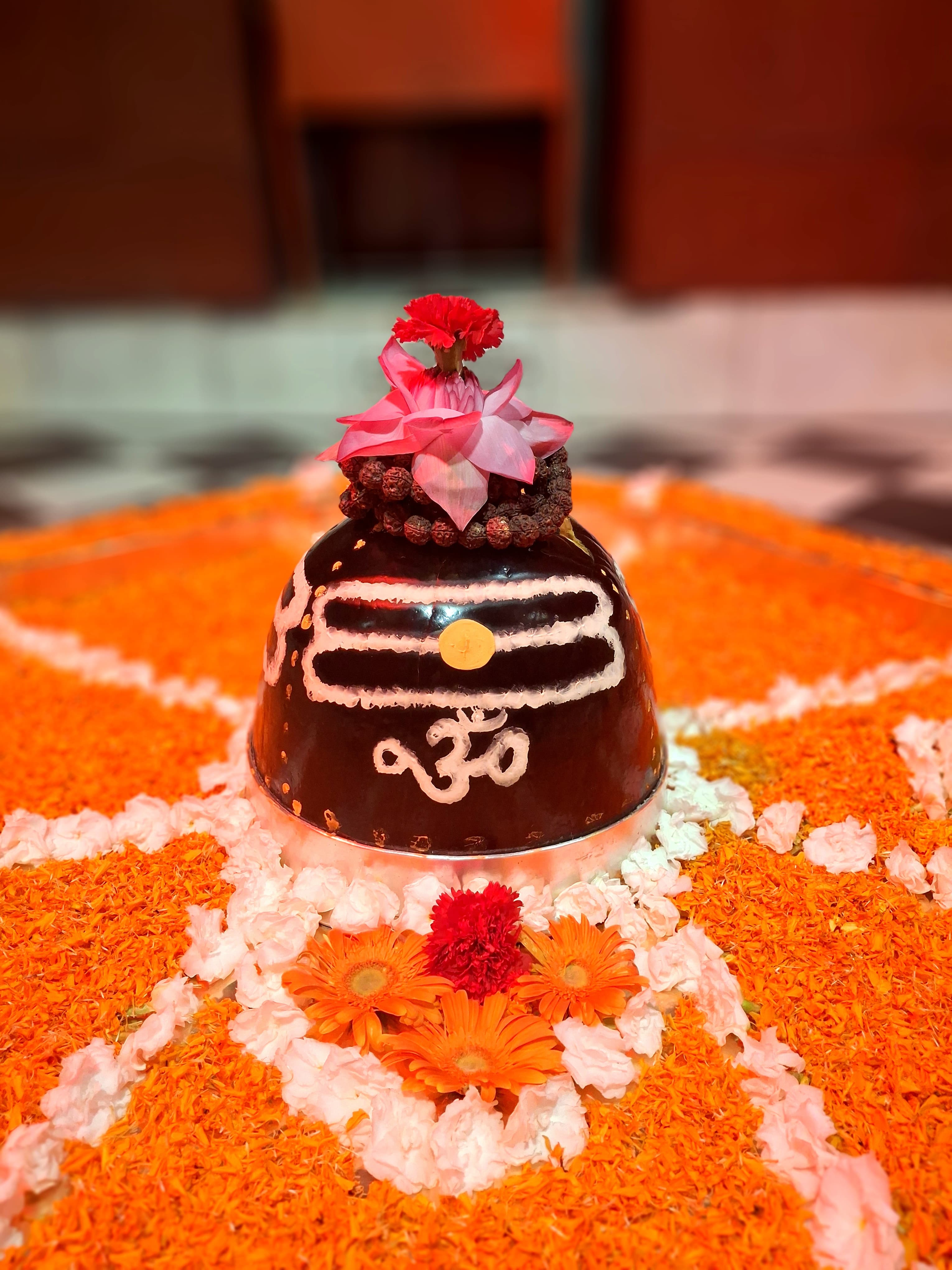
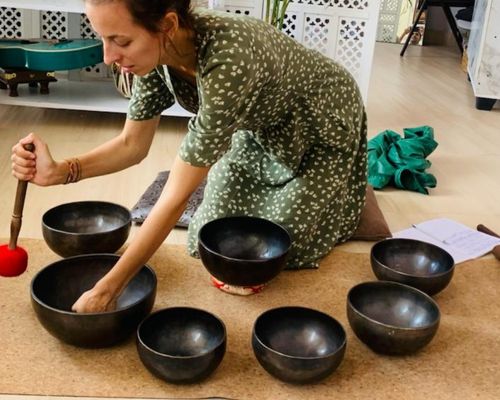
A one-to-one sound healing course on the banks of the Ganges — singing bowls, gong, chimes and the ancient understanding of naad. Learn not only how to play the instruments, but how to hold a session for another person.
Sound healing is not a performance. Nobody is listening for your technique — they are lying down with their eyes closed, and what matters is what the vibration does to their nervous system.
Indian tradition has always described the universe as beginning in sound. Naad is that idea: that vibration comes before form, and that the right resonance can settle a body and mind that will not settle by thinking. Sound healing puts that principle into practice with instruments that produce long, sustained, overtone-rich tones.
The instruments themselves are not difficult to strike. What takes training is timing, restraint and listening — knowing how long to let a bowl ring, when silence is doing more than sound, and how to read the breathing of the person in front of you and respond to it.
This course teaches both halves. You will learn the instruments properly, and you will learn how to structure and hold a full session for another person, safely and without guesswork.
“The silence between two bowls is part of the medicine. Do not rush to fill it.”
Teaching principle at Rishikesh Music Class
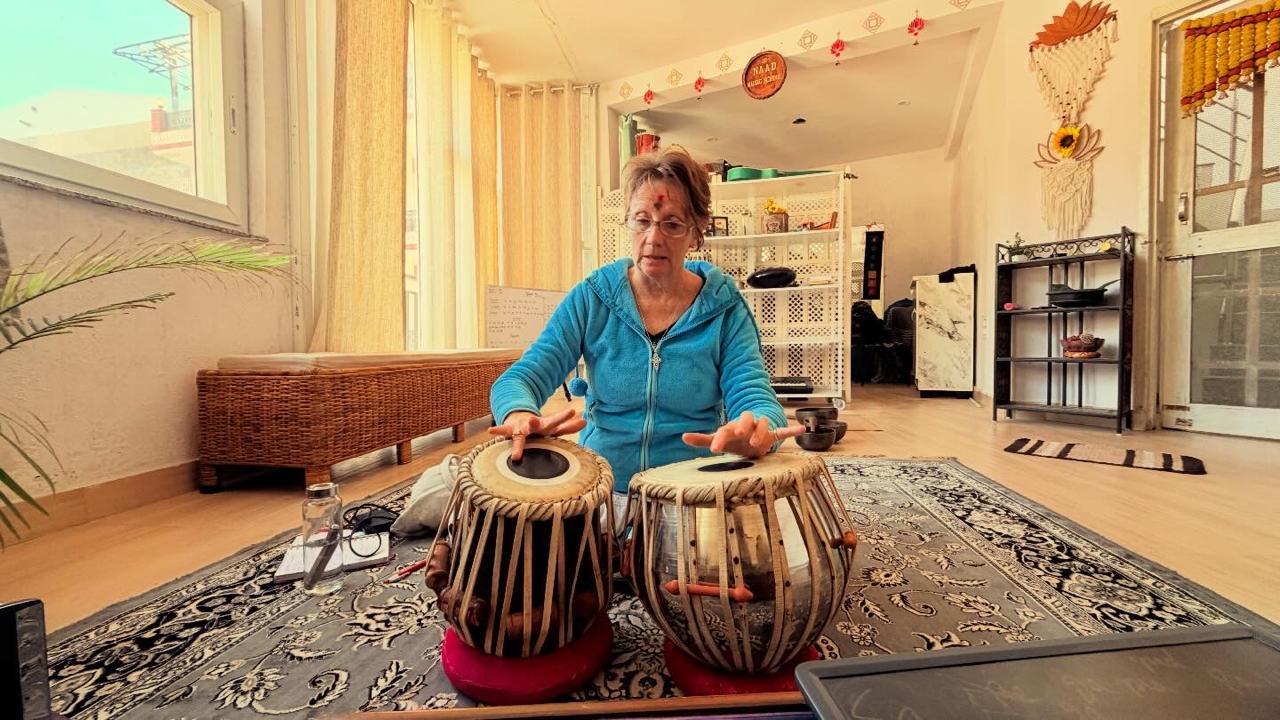
No two students receive the same lesson, because everyone arrives with a different reason for learning. What stays constant is the shape of the session — and that shape is what turns curiosity into real competence.
Before touching an instrument you learn to sit, breathe and actually hear a tone through to its end. This is the skill everything else depends on.
Striking and rimming Himalayan bowls, controlling volume and decay, working with bowl sets, and understanding how different sizes affect the body differently.
The gong is the most powerful and most easily misused instrument in the set. You learn build-up, restraint, and how to bring a wash of sound down gently rather than abruptly.
Opening, deepening, peak, and return. How long each phase should last, how to close properly, and how to leave someone grounded rather than floating.
Every class ends with a written instruction for the days ahead — which instrument to sit with, what to listen for, and what to leave alone for now.

Students arrive in Rishikesh with very different amounts of time, and very different intentions — some for their own practice, some to work with others professionally. The course comes in four honest sizes, and we will tell you plainly which one fits.
A real first experience rather than a taster. Confident handling of singing bowls, an understanding of resonance and naad, and a simple sequence you can use on yourself.
The most popular choice. Bowls, chimes and an introduction to the gong, plus a complete short session structure you can offer to a friend or family member.
For students who want to work with others properly. Full instrument command, longer session design, reading a client's breath, and handling difficult responses calmly.
Genuine depth. Full sound bath design, group sessions, gong mastery, tuning forks, contraindications and safety, and the confidence to hold a room.
Not sure which to take? Start shorter. Many students begin with seven or ten sessions and extend while they are here — it is far easier to add sessions than to rush a course you have already paid for.

You do not need any musical background to begin, and you do not need to read notation at any stage. Sound healing is taught by listening and doing — the theory is explained as you go, in the moment it becomes useful.
Listening, grounding, handling singing bowls, understanding resonance, and a simple self-practice sequence. No musical experience of any kind is assumed.
Bowl sets, chimes, gong technique, session structure for one person, and the ability to adjust in real time to how someone is responding.
Full sound bath design, group sessions, gong mastery, tuning forks, safety and contraindications, and professional session ethics.
Class timings. Six slots run daily and you keep the one that suits your routine: 9:30–10:30 AM, 11:00 AM–12:00 PM, 12:30–1:30 PM, 2:00–3:00 PM, 4:00–5:00 PM, and 5:30–6:30 PM. Many sound healing students pair a morning yoga class with an afternoon session here.
Online is available. Live one-to-one lessons run over Zoom, Google Meet or WhatsApp video. Note that online students need their own bowls, since the instruments cannot be shared through a screen — we will advise you on what to buy first.

Before the first bowl is struck, students and guru chant together. It is a short moment, but it settles the room and marks the class as something separate from the day around it — clarity, confidence and the removal of obstacles before learning begins.
Sound healing and Naad training at Rishikesh Music Class, Laxman Jhula, Rishikesh. Trained in the traditional Indian classical and naad lineage, with years of teaching students from across the world.
Rishikesh Music Class provides music courses only. Accommodation and hotel facilities are not provided by the school.
Please book your own hotel, room, guest house or ashram stay before arriving. Many comfortable and affordable options sit within walking distance of the school at Laxman Jhula, and we are happy to suggest areas.
Instruments. Bowls, gong and chimes are provided for use during your sessions in Rishikesh, so nothing is needed for your first class. If you intend to practise professionally, your teacher will guide you on building your own set and on fair local pricing.
Send the short form across and it opens directly in WhatsApp with your details already written out. We reply personally — usually within a few hours — with availability, the current fee for your chosen course, and a suggested start date.