~ हर हर गंगे ~

RISHIKESH MUSIC CLASS

Through Sound, We Learn.Through Sound, We Grow.

An authentic Indian classical music school on the banks of the Ganges — teaching Tabla, Flute, Harmonium, Kirtan and Naad Yoga in the spiritual heart of Rishikesh.

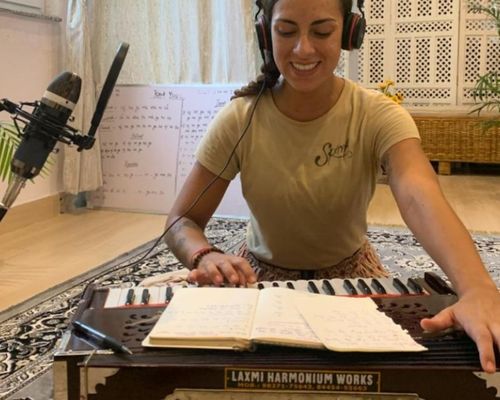
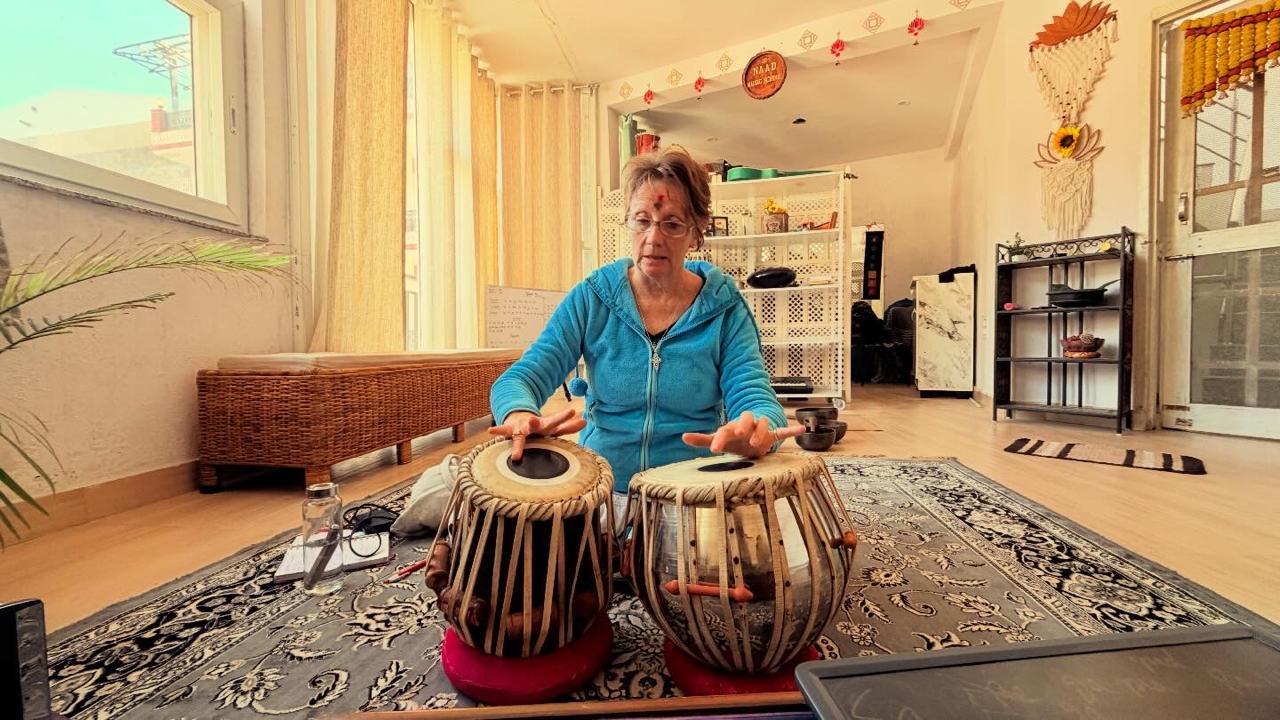
Music practice by the Ganges
About Our School

Where the Ganges Sings, We Teach.

"नादब्रह्म" — Sound is the divine vibration from which the universe emerges.

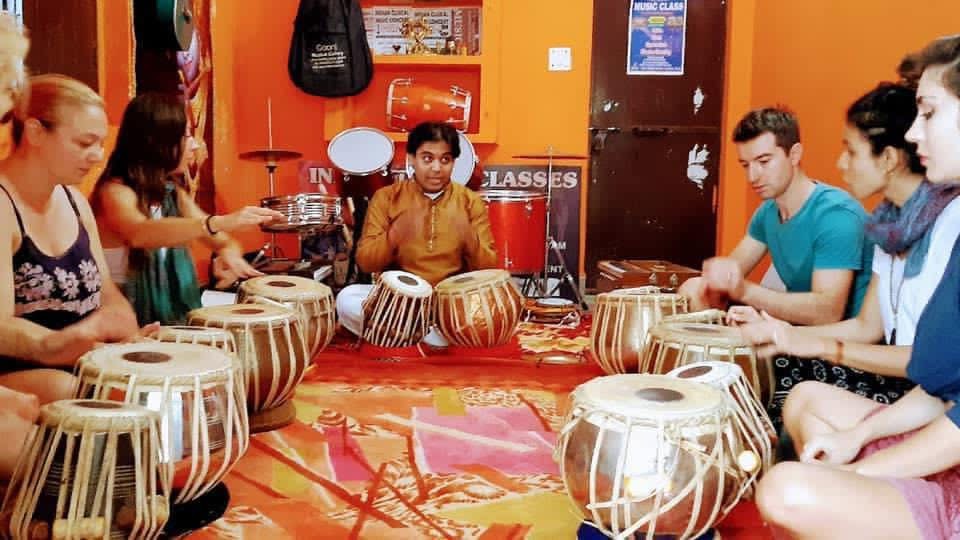
Rooted in the ancient guru–shishya tradition, Rishikesh Music Class is a spiritual sanctuary for musicians and seekers from around the world. Nestled beside the sacred river in Rishikesh, our lessons blend classical Indian technique with meditation, mantra, and yogic breath.

Whether you're a beginner discovering your first raga or an advanced student refining your art, our teachers hold space for authentic, transformative learning.

Our Offerings

Musical Courses in Rishikesh India

Immerse yourself in the timeless traditions of Indian classical music. Each course is guided one-on-one by experienced gurus.

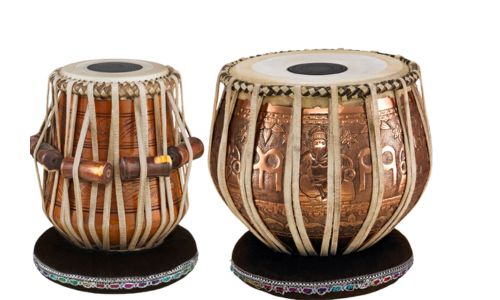
Tabla
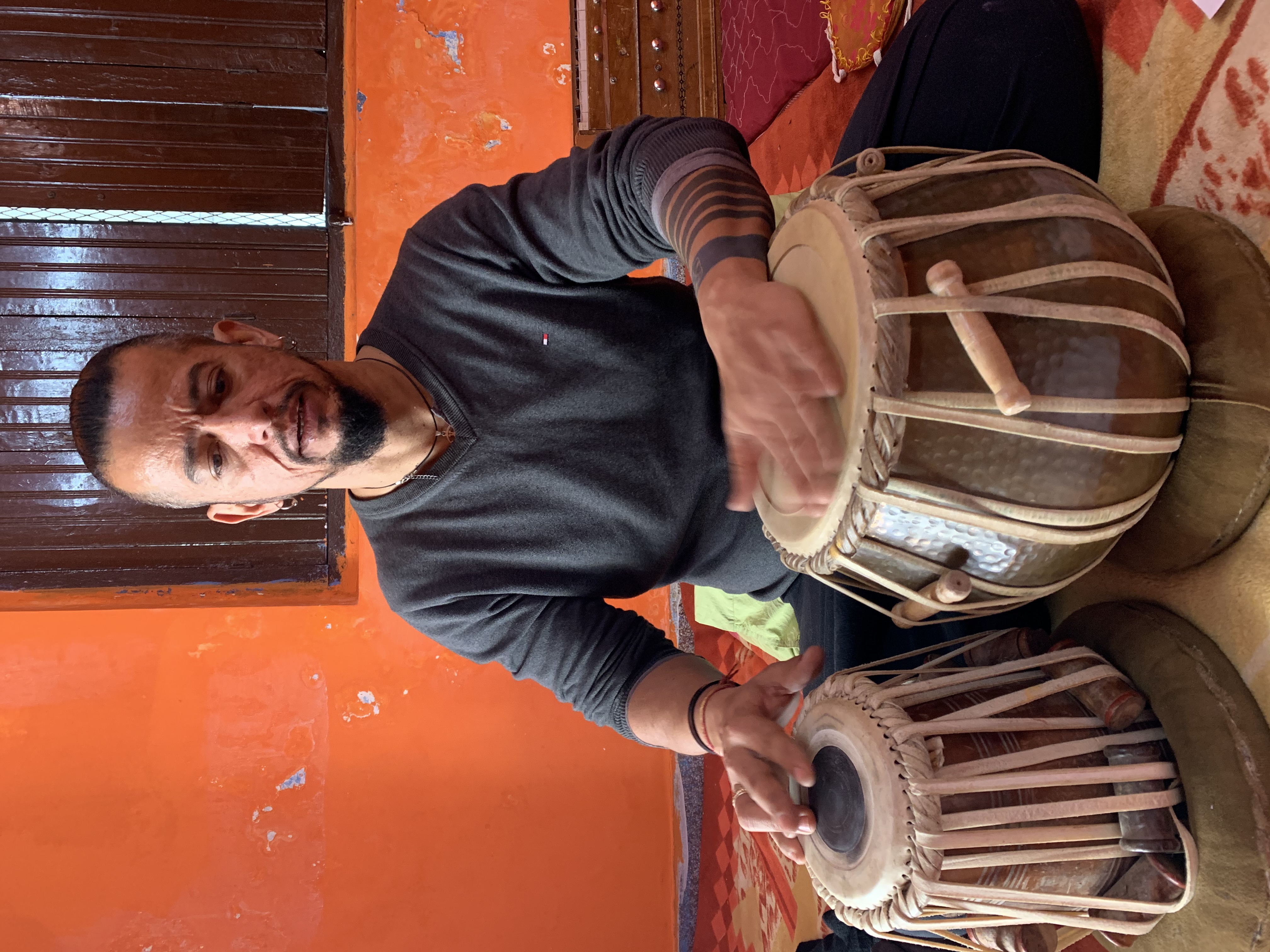
Tabla Course

Tabla Training — Taal & Laya

  • Duration7 / 10 / 15 / 30 Sessions
  • LevelBeginner to Advanced
  • Class TypeOne-to-One
  • Session Length1 or 2 Hours
  • FocusRhythm, Taal, Composition
  • ModeOffline & Online
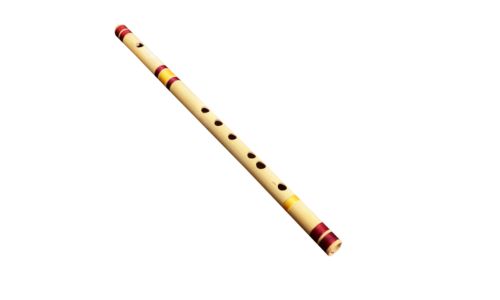
Flute
Bansuri Flute

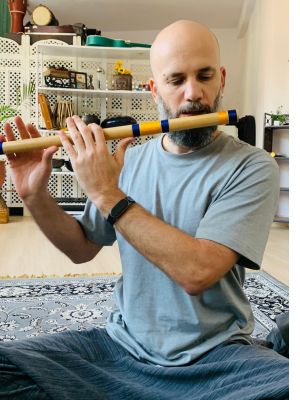
Bansuri Flute Training — Swar & Breath

  • Duration7 / 10 / 15 / 30 Sessions
  • LevelBeginner to Advanced
  • Class TypeOne-to-One
  • Session Length1 or 2 Hours
  • FocusBreath, Tone, Raga
  • ModeOffline & Online
Voice Training
Voice Training

Vocal Training — Hindustani Gayaki

  • Duration7 / 10 / 15 / 30 Sessions
  • LevelBeginner to Advanced
  • Class TypeOne-to-One
  • Session Length1 or 2 Hours
  • FocusSur, Alankar, Raga
  • ModeOffline & Online
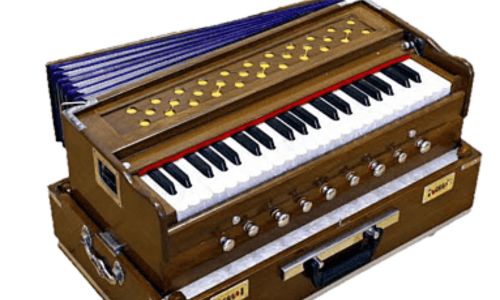
Harmonium
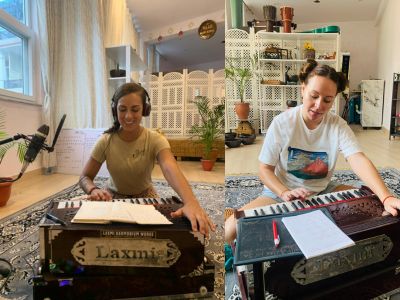
Harmonium

Harmonium Training — Scales & Sangat

  • Duration7 / 10 / 15 / 30 Sessions
  • LevelBeginner to Advanced
  • Class TypeOne-to-One
  • Session Length1 or 2 Hours
  • FocusScales, Chords, Bhajan
  • ModeOffline & Online
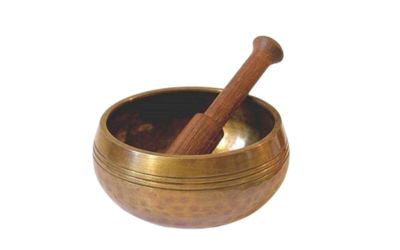
Sound Healing
Sound Healing

Sound Healing — Vibrational Therapy

  • Duration7 / 10 / 15 / 30 Sessions
  • LevelBeginner to Practitioner
  • Class TypeOne-to-One
  • Session Length1 or 2 Hours
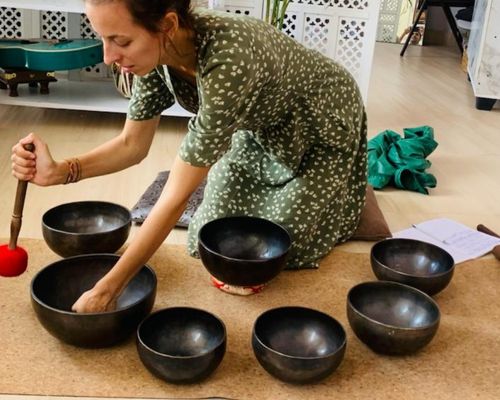
  • InstrumentsBowls
  • ModeOffline & Online
Mantra Chanting
Mantra Chanting

Mantra Chanting — Sanskrit Shuddhi

  • Duration7 / 10 / 15 / 30 Sessions
  • LevelBeginner to Advanced
  • Class TypeOne-to-One
  • Session Length1 or 2 Hours
  • FocusPronunciation & Meaning
  • ModeOffline & Online
Naad Yoga
Naad Yoga

Naad Yoga Training — Sound & Awareness

  • Duration7 / 10 / 15 / 30 Sessions
  • LevelBeginner to Advanced
  • Class TypeOne-to-One
  • Session Length1 or 2 Hours
  • FocusNaad, Mantra, Meditation
  • ModeOffline & Online
Raga
Raga Studies

Raga Studies — Moods & Seasons

  • Duration10 / 15 / 30 Sessions
  • LevelIntermediate to Advanced
  • Class TypeOne-to-One
  • Session Length1 or 2 Hours
  • FocusRaga Theory & Practice
  • ModeOffline & Online
OUR Music Course Details

Music Course in Rishikesh India

Rhythm training for beginners, intermediate students, and advanced learners through focused one-to-one classes.

Let Rhythm Become Your Awareness.

The tabla is one of the most expressive instruments in Indian classical music, known for intricate rhythms and meditative sound.

Each session blends traditional teaching with practical learning to develop rhythm, hand coordination, listening skills, improvisation, and musical confidence.

ॐ गं गणपतये नमः
Begin the course with Shree Ganesha for clarity, confidence, and positive vibration.
Course guided by Amresh KumarRishikesh Music Class, Rishikesh

Class Options

  • Choose the time that best suits your routine.
  • Flexible timings with one-to-one classes.
  • Students can select 1-hour or 2-hour classes.
  • 1-hour class: focused daily practice for beginners.
  • 2-hour class: deeper learning and faster progress.

Class Timings

  • Morning: 9:30 AM – 10:30 AM
  • Morning: 11:00 AM – 12:00 PM
  • Afternoon: 12:30 PM – 1:30 PM
  • Afternoon: 2:00 PM – 3:00 PM
  • Evening: 4:00 PM – 5:00 PM
  • Evening: 5:30 PM – 6:30 PM

Duration Options

7 SessionsIntro Tabla: first experience in rhythm and hand coordination.
10 SessionsFoundation course: basics, taal structure, rhythms, improvisation, and composition.
15 SessionsSkill development: hand technique, speed, clarity, and confidence.
30 SessionsIntensive training: advanced patterns, accompaniment, and deeper transformation.

Levels

  • Beginner: foundation and rhythm awareness.
  • Intermediate: build confidence and improve clarity.
  • Advanced: master expression, accompaniment, and improvisation.
Accommodation note: Rishikesh Music Class provides music courses only. Students should book their own hotel, room, guest house, or ashram stay before arriving.
Why Rishikesh

Learning Music Where the River Still Sings.

There are quieter towns to learn an instrument in, and there are cheaper ones. Very few of them were founded as a seat of learning itself — at the place where the Ganga leaves the mountains, where the day is already full of sound before you have played a single note.

Adi Guru Shankaracharya, founder of the spiritual tradition of Rishikesh
Adi Guru ShankaracharyaThe founder of Rishikesh’s spiritual life
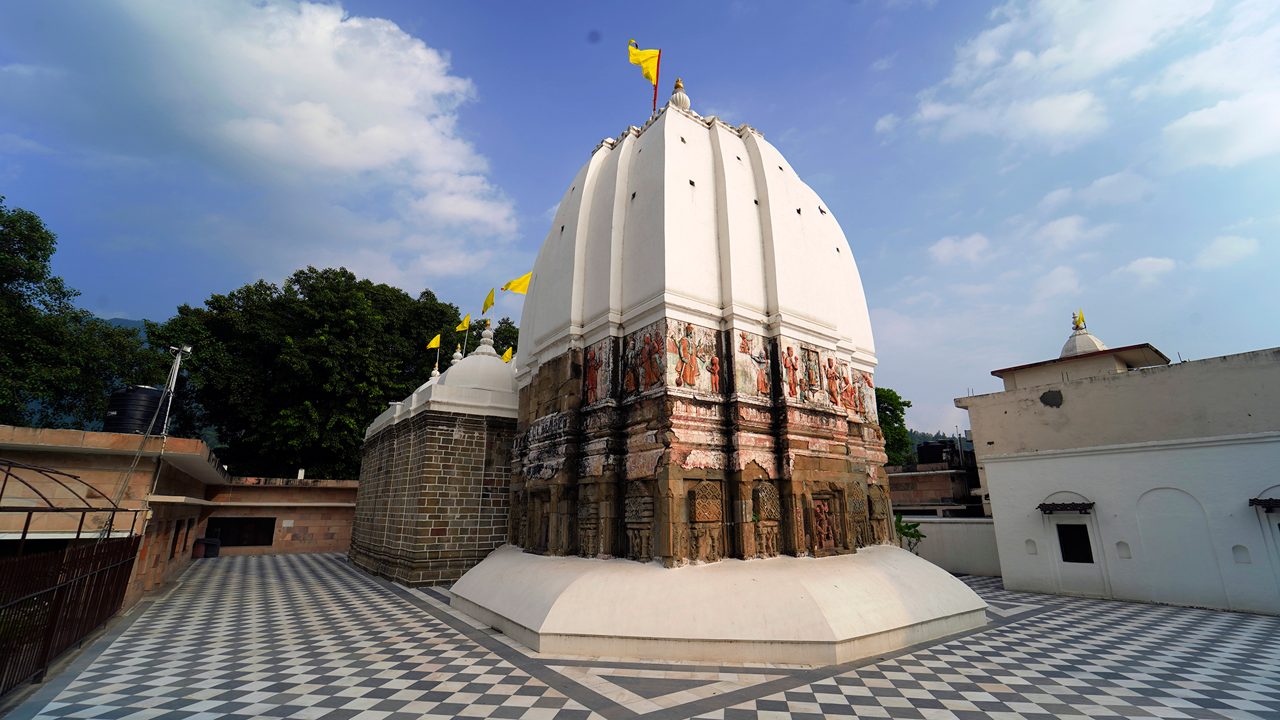
Bharat Mandir, the oldest temple in Rishikesh, established by Adi Guru Shankaracharya
Bharat MandirThe oldest temple in Rishikesh

The Town the Adi Guru Founded.

Long before it appeared on any map, this stretch of the riverbank was known simply as the place where sages sat. Hrishikeshhrishik, the senses, and isha, their lord — the name given to the one who has mastered his own senses. The rishis chose this bend of the Ganga because the water is loud enough to drown out everything except your own attention.

Then came Adi Guru Shankaracharya. Travelling up from the south on foot, gathering back the scattered threads of a forgotten tradition, he arrived at this valley and recognised what the rishis had known. Here, it is said, he uncovered the sacred image of Bharat — a form of Lord Vishnu, carved from a single black shaligram stone — and around it he raised the temple now called Bharat Mandir. It stands to this day in the old town, the oldest temple in Rishikesh and the still point from which everything else grew.

With that temple, a forest of ascetics became a town. Shankaracharya gave it a centre, a calendar and a reason for people to keep arriving — and so he is remembered as the founder of Rishikesh, the Adi Guru who turned a riverbank into a place of learning. Every Basant Panchami the town still carries his memory in procession, as it has for more than a thousand years.

That is the lineage a student steps into here. Not a music school that happens to be in Rishikesh, but a room a few minutes from Bharat Mandir, in a town that was built, from its very first stone, for the work of paying attention.

In Rishikesh you do not learn music in a soundproof room. You learn it inside a town that has been keeping time for a very long while.

Practice here begins early. Bells carry across the water from the ghats before six, a harmonium starts somewhere behind a tea stall, and by the time you sit down with your teacher your ear has already been listening for an hour without being asked to. That is not a small thing. Most students arrive believing they have no ear at all, and discover within a week that the ear was never missing — it simply had nothing steady to hold on to.

Our sessions are one to two hours, one student and one teacher, so the pace belongs to you rather than to a syllabus. Nobody is behind and nobody is ahead. If your hands need three days on a single stroke, they get three days. If the notes arrive quickly, we keep moving. Between classes the town does the rest of the work: a walk across Laxman Jhula, an afternoon on the bank with the river loud enough to practise over, an evening aarti where you hear hundreds of voices holding one line together.

What people usually take home is not a repertoire. It is a way of sitting down with something difficult and staying with it — slowly, without hurry, one breath and one beat at a time. The instrument is the excuse. The attention is the lesson.

A Steadier Breath

Flute, voice and mantra all work the same lever: a long, unhurried exhale. Ten minutes of it slows the pulse and settles the mind more reliably than most people expect. Students often notice their sleep changing before their playing does.

Attention You Can Feel

A taal will not let you drift. Keeping time demands the kind of unbroken, single-track focus that modern days rarely ask for, and the mind gets noticeably better at it — on the mat and off it.

Confidence Without Words

Playing in front of another person is a small act of courage, repeated daily. It is one of the gentlest ways we know to loosen self-consciousness, and it works just as well for shy beginners as for seasoned travellers.

Something That Travels

You leave with a tuned instrument, a written riyaz plan and enough foundation to keep going alone. A bamboo flute fits in a rucksack; the habit of daily practice fits anywhere.

“Naad is the sound that was here before anyone was listening. We only learn to join it.”

Sant Sewa Ashram · Laxman Jhula · Rishikesh
Naad Yoga & Spiritual Practice

Sacred Sounds of Healing

Meditation and mantra chanting

Mahamrityunjaya Mantra

Om Tryambakam Yajamahe — for health, healing, and liberation from fear.

Gayatri Mantra

Om Bhur Bhuvah Svah — awakening wisdom and inner illumination.

Om Namo Bhagavate Vasudevaya

A twelve-syllable mantra for surrender, devotion, and inner peace.

Begin Your Practice
Reviews

Voices of Our Students

★★★★★

A truly transformative experience. Learning tabla by the Ganges under my guruji has changed how I hear music forever.

A
Anna MüllerBerlin, Germany
★★★★★

The most authentic Indian music school I have ever attended. The teachers are patient, wise, and deeply spiritual.

J
Julien PetitParis, France
★★★★★

Kirtans in the evening by the river are unforgettable. My voice — and my soul — have found their home here.

S
Sophie ChenToronto, Canada
★★★★★

The bansuri lessons opened up a new world for me. I feel closer to the divine every time I play.

M
Marco RossiRome, Italy
★★★★★

My guruji is patient, wise, and full of joy. The classes are more than lessons — they are meditation.

E
Emma JohanssonStockholm, Sweden
★★★★★

Vocal training here helped me discover a voice I did not know I had. Truly a spiritual awakening.

L
Lucía FernándezMadrid, Spain
★★★★★

Sound healing sessions were profoundly relaxing. The vibrations of the bowls felt like a warm embrace.

K
Kenji TanakaKyoto, Japan
★★★★★

The harmonium classes are structured, warm and deeply devotional. I look forward to every session.

R
Rebecca GreenLondon, UK
★★★★★

Mantra chanting classes gave me clarity, calm, and a real connection to Sanskrit. Highly recommended.

D
David O'ConnorDublin, Ireland
★★★★★

I came to learn music and left with a whole new way of living. Thank you, Rishikesh Music Class family.

N
Nadia HaddadBeirut, Lebanon
★★★★★

Raga studies here are exceptional. My guruji made complex ideas feel simple and beautiful.

P
Priya SharmaMumbai, India
★★★★★

Every morning by the Ganges, riyaz felt sacred. I will carry this experience for the rest of my life.

T
Thomas WeberVienna, Austria
★★★★★

A perfect blend of tradition and warmth. The kirtan evenings brought tears of joy to my eyes.

O
Olivia MartinMelbourne, Australia
★★★★★

Wonderful teachers, beautiful setting, and lessons that go beyond music into life itself.

C
Carlos MendesLisbon, Portugal
★★★★★

The best decision I made this year. My tabla journey has only just begun and I already feel transformed.

Y
Yael CohenTel Aviv, Israel
Watch & Listen

Our Music on YouTube

Glimpses of our lessons, kirtans, and performances by the sacred Ganges.

Tabla Basics

Learn the foundational bols and hand technique of tabla.

Bansuri Flute Lesson

A guided lesson on breath, tone and melodic ragas.

Kirtan by the Ganges

An evening kirtan filled with devotion and rhythm.

Mantra Chanting

Sacred Sanskrit mantras with correct pronunciation.

Harmonium Practice

Understanding scales, chords and devotional accompaniment.

Sound Healing Session

Singing bowls, gongs, and vibrational therapy.

Voice Training

Classical vocal exercises to open your natural voice.

Raga Studies

Deep-dive into the moods, seasons and stories of ragas.

Good to Know

Frequently Asked Questions

Everything students ask us before joining — courses, timings, fees, online classes, and travel to Rishikesh. If your question isn't here, message us on WhatsApp anytime.

01

Courses & Learning

We teach Tabla, Bansuri Flute, Vocal (Hindustani) Training, Harmonium, Sound Healing, Mantra Chanting, Naad Yoga and Raga Studies. Every course runs one-to-one with a dedicated guru, so the pace and syllabus adapt to you.

Yes. Most of our students arrive with no musical background at all. Beginner sessions start from posture, breath, hand position and basic rhythm or scale awareness — nothing is assumed.

You choose from 7, 10, 15 or 30 sessions. 7 sessions is an introduction, 10 builds a real foundation, 15 develops technique and confidence, and 30 is intensive training with advanced material.

You can select a 1-hour or 2-hour class. One hour suits beginners practising daily; two hours allows deeper learning and noticeably faster progress.

All regular courses are one-to-one in the traditional guru–shishya way. If you are travelling with a friend or partner and want to learn together, tell us and we will arrange it.

Yes, and many students combine one instrument with vocal, mantra chanting or sound healing. We schedule them at different times of day so each practice stays fresh.

Yes. We welcome children with shorter, more playful sessions built around rhythm games and simple songs. Please mention your child's age when you enquire so we can match the right teacher.

Advanced students work on improvisation, accompaniment, speed and clarity, laykari and raga expression. Send us a short recording or description of your current level and we will plan the sessions around it.

Classes are taught in English and Hindi. Music itself is largely taught by demonstration and repetition, so international students follow along comfortably.

We suggest at least 1–2 hours of riyaz outside class. Regular short practice builds far more than occasional long sessions, and your teacher will give you a clear daily routine.

02

Timings, Booking & Fees

Slots run 9:30–10:30 AM, 11:00 AM–12:00 PM, 12:30–1:30 PM, 2:00–3:00 PM, 4:00–5:00 PM and 5:30–6:30 PM. Pick whichever fits your routine.

Send an inquiry through the form on this page or message us on WhatsApp. We confirm your instrument, number of sessions, preferred time slot and start date, then reserve your seat.

A week or two ahead is comfortable. During peak season (October–March) popular time slots fill quickly, so earlier is better. Last-minute requests are still worth asking about.

Fees depend on the instrument, number of sessions and class length. Message us on WhatsApp with what you would like to learn and we will send the current rates straight away.

We accept UPI, bank transfer and cash, and international transfers for online students. You can also use the payment page linked in the menu.

Yes, with reasonable notice. Tell your teacher in advance and we will move the session to another free slot wherever the schedule allows.

Yes. Many students begin with one trial session to meet the teacher and feel the instrument before choosing a 7, 10, 15 or 30-session course.

Very often students do. If you start with 7 or 10 sessions and want to continue, you can add more sessions subject to teacher availability.

03

Online Classes

Yes. We run live one-to-one online classes worldwide over Zoom, Google Meet or WhatsApp video. See our Online Classes page for details.

We schedule around your local time. Our teachers hold early morning and evening slots specifically for students in Europe, the US, Australia and East Asia.

A stable internet connection, a phone or laptop, headphones, and your instrument. Position the camera so your teacher can see your hands clearly.

For steady progress on technique and theory, yes — online students advance well. In-person study adds the atmosphere of Rishikesh and closer physical correction, which is why many online students later visit for an intensive.

Teachers share practice notes, compositions and reference audio so you can revise correctly between classes. Ask your teacher about recording your own session for practice.

Absolutely. Students often begin online, continue in Rishikesh in person, then return to online lessons with the same teacher after travelling home.

04

Instruments & Practice

Not for your first classes — instruments are available at the school for use during sessions. For daily riyaz, having your own is a real advantage.

Yes. Your teacher will guide you on quality, tuning and fair pricing, and can point you to trusted local sellers in Rishikesh so you do not overpay for a poor instrument.

Practice space is usually available between classes. Please check with your teacher for free slots so you do not overlap with another student's session.

No. Indian classical music is taught orally — by listening, singing and repetition. You will learn sargam and bol naturally as you go, and written notes are used only as support.

05

Visiting Rishikesh

We are at Sant Sewa Ashram, Laxman Jhula, Rishikesh, Uttarakhand — a short walk from the bridge and easy to reach on foot from most guest houses in the area.

No — we provide music courses only. Please book your own hotel, room, guest house or ashram stay before you arrive. We are happy to suggest areas close to the school.

Fly into Dehradun (Jolly Grant) airport, about an hour away, or take a train to Haridwar or Rishikesh station. Overnight buses and trains from Delhi are frequent and inexpensive.

October to March is the most pleasant. Monsoon (July–August) is green but rainy, and May–June is hot — classes run year-round regardless.

Yes, and it works beautifully. Many students take a morning yoga class nearby and study music later in the day. Naad Yoga and mantra chanting connect the two directly.

Most students visit on a tourist visa. If you need a written confirmation of enrolment for your records or travel, ask us and we will provide a letter.

06

Certificates & Teachers

Rishikesh Music Class does not provide certificates upon completion of courses. Our focus is on practical learning, musical understanding, and personal development. not provide certificates

Our gurus are trained in the traditional Indian classical lineage with years of performance and teaching experience. Tabla courses are guided by Amresh Kumar.

We match you with the teacher best suited to your instrument and level. If the pairing does not feel right, tell us honestly and we will change it — the guru–student relationship matters.

For committed long-term students we build advanced training toward teaching and performance, including accompaniment practice. Talk to us about a longer 30-session or repeat programme.

Still have a question?

Our team replies personally, usually within a few hours.

The River & The Word

Ganga, Mantra, and the Sound Beneath Both.

Sit on the bank at Laxman Jhula for twenty minutes and you will hear it: the river does not roar evenly. It swells, drops, swells again. Long before anyone wrote a taal down, someone was sitting here counting that.

What the River Teaches

Indian classical music is built on two ideas that a mountain river demonstrates all day without being asked. The first is laya — tempo, the pulse underneath everything. The second is sustain, a single note held until it stops being a note and becomes a place you are standing in.

Students who practise near the water tend to learn both faster, and we think the reason is simple: they finally have something to practise against. A metronome is a correction. A river is a companion. It never tells you that you were wrong; it just keeps going, and eventually you fall in with it.

This is also why we rarely ask a beginner to play fast. Speed is easy and cheap. Holding one clean note for eight slow counts, with the breath even and the hand quiet, is the harder and far more useful skill — and it is the one that transfers to everything else you do afterwards.

Why Mantra Comes First

A mantra is not a prayer you must believe in to use. It is a fixed, repeatable shape made of sound — the same syllables, the same length, the same landing point, every single time. That makes it the most honest practice tool in the tradition, because any wobble in your breath or attention shows up immediately.

So we begin most courses with the voice, even for students who came for tabla or flute. Ten minutes of chanting settles the breath, warms the throat, tunes the ear to a drone, and teaches the body what a steady beat feels like from the inside before any instrument is involved.

Repetition is doing the work here, not meaning. Say one line a hundred times and the mind runs out of commentary, the shoulders drop, and the sound starts arriving on its own. Whatever you choose to call that, it is the state every musician is actually trying to reach.

ओं त्र्यम्बकं यजामहे सुगंधिं पुष्टिवर्धनम्

“We honour the three-eyed one, the fragrance that nourishes all growing things.”

The opening line of the Mahamrityunjaya mantra, and usually the first thing a new student here learns to chant. Slow, low, and unhurried — one line, many times, until the counting stops being effort.

Morning aarti at the ghats Chanting before class Drone & sustained notes Laya from the river Riyaz by the water Evening kirtan
Get in Touch

Send Your Inquiry
Directly on WhatsApp.

Fill in the form and we'll receive your message instantly on WhatsApp — or use the booking and payment page to schedule directly with Calendly.

Open Booking & Payment Page
WhatsApp+91 94103 68736
AddressSant Sewa Ashram, Laxman Jhula, Rishikesh, India

Inquire About a Course

We'd love to hear from you. Tell us a little and we'll get back on WhatsApp.

Clicking will open WhatsApp with your message ready to send to +91 94103 68736.

Rishikesh Music Class
Sacred Sound is Playing