Kirtan Course · Rishikesh

Music That Belongs to Everyone.

A one-to-one kirtan course on the banks of the Ganges — call and response singing that needs no training to join and a lifetime to lead well. Learn the repertoire, the accompaniment, and how to carry a room.

About the Practice

The Only Music With No Audience.

Kirtan is built on a simple structure: one voice calls, everyone answers. Nobody is watching, because everybody is singing.

That structure is why kirtan spreads so easily across languages and cultures. You do not need to know the words in advance, read music, or have any confidence in your voice — you only need to listen and repeat. Within a few rounds most people forget to be self-conscious, which is precisely the point of the practice.

Leading it, however, is a real skill. The person calling has to hold the melody steady, choose when to raise the energy and when to let it settle, manage the tempo as a group speeds up, and read the room continuously. Done well it feels effortless; done poorly the whole thing falls apart within minutes.

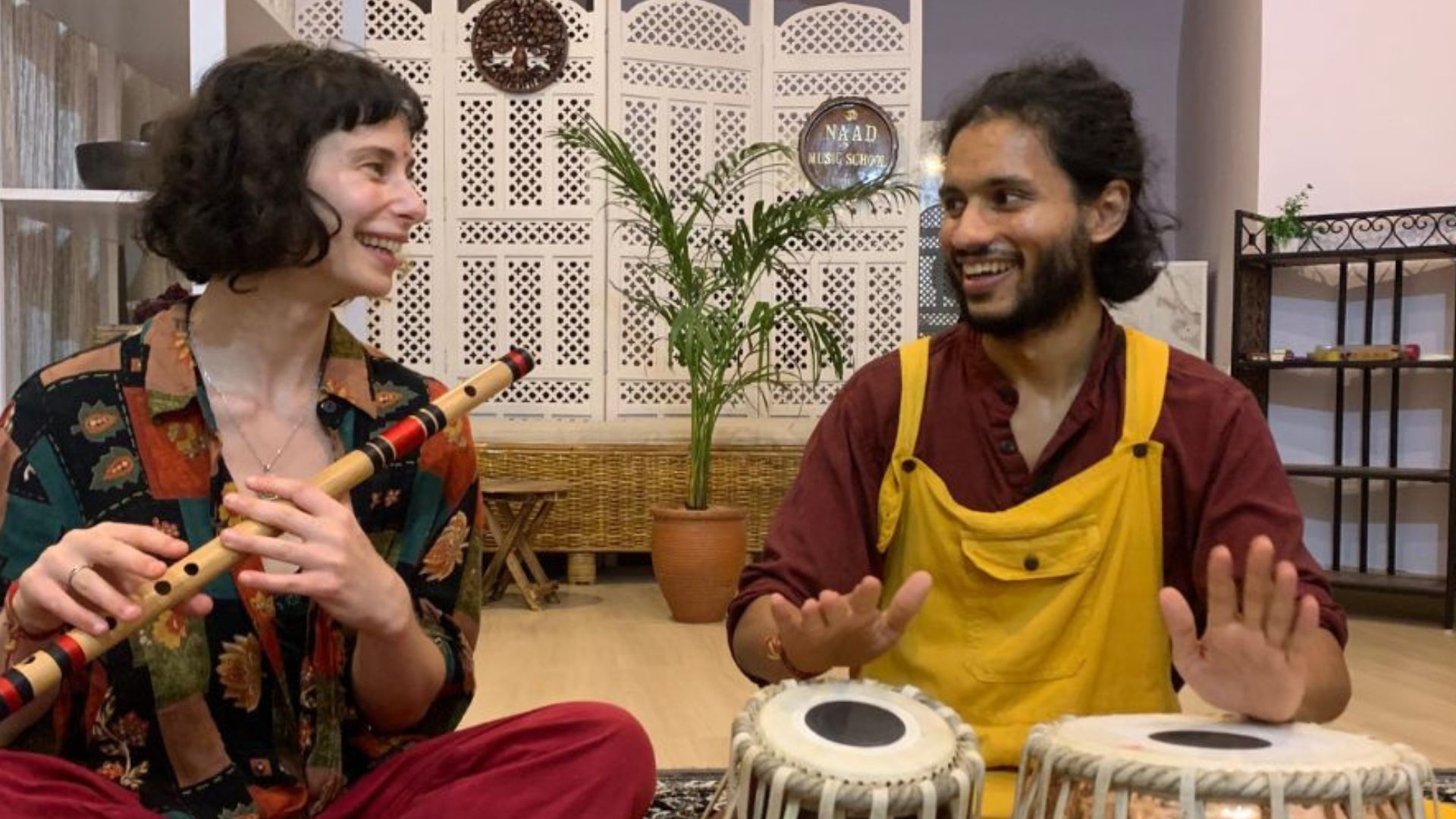
This course teaches both sides. You will learn a working repertoire of bhajans and chants with correct pronunciation and meaning, the accompaniment on harmonium and kartal, and the practical craft of leading a group from beginning to end.

“The leader's job is not to sing best. It is to make everyone else brave enough to sing.”

Teaching principle at Rishikesh Music Class
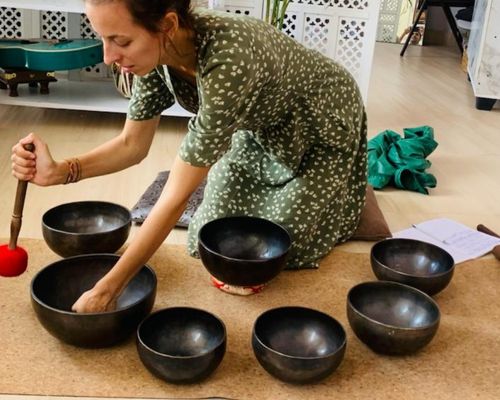
Kirtan used in classes at Rishikesh Music Class
Kirtan — call, response and shared sound
1:1Always
How a Session Runs

From Joining In to Leading the Room.

No two students receive the same lesson, because some come to sing and some come to lead. What stays constant is the shape of the session — and that shape is what turns enthusiasm into real competence.

1

Voice and breath

Enough vocal foundation to sing for an hour without tiring or straining. Kirtan is endurance singing, and untrained voices give out long before the chant does.

2

Repertoire and meaning

Learning bhajans and chants properly — correct Sanskrit and Hindi pronunciation, what the words mean, and which tradition each one comes from.

3

Call and response

The mechanics of leading a phrase and receiving it back. Phrase length, breathing points, and how to cue a group that has never heard the chant before.

4

Accompaniment

Harmonium for melody and drone, kartal and manjira for rhythm, and how to keep tempo steady while a room naturally tries to accelerate.

5

Practice plan

Every class ends with a written instruction — which chants to internalise, what to work on vocally, and how to rehearse leading on your own.

1–2Hours per class
6Daily time slots
1–2Hours practice
One-to-one kirtan lesson in progress in Rishikesh
One student, one guru, one chant at a time
30Max sessions
Course Options

Choose the Depth, Not Just the Dates.

Students arrive in Rishikesh with very different amounts of time, and very different goals — some want to sing along confidently, others want to lead kirtan at home. The course comes in four honest sizes, and we will tell you plainly which one fits.

07

Seven sessions — Introduction

A real first experience rather than a taster. Three or four chants sung correctly with their meanings, basic vocal foundation, and simple kartal rhythm.

10

Ten sessions — Foundation

The most popular choice. A working repertoire, harmonium drone and simple accompaniment, steady rhythm, and your first attempts at leading a call and response.

15

Fifteen sessions — Skill development

For students who want to lead properly. Larger repertoire, energy management across a session, harmonium accompaniment while singing, and confident cueing.

30

Thirty sessions — Intensive training

Genuine depth. Extensive repertoire, raga-based bhajans, full session design, group leadership, and the ability to hold a room of any size.

Not sure which to take? Start shorter. Many students begin with seven or ten sessions and extend while they are here — it is far easier to add sessions than to rush a course you have already paid for.

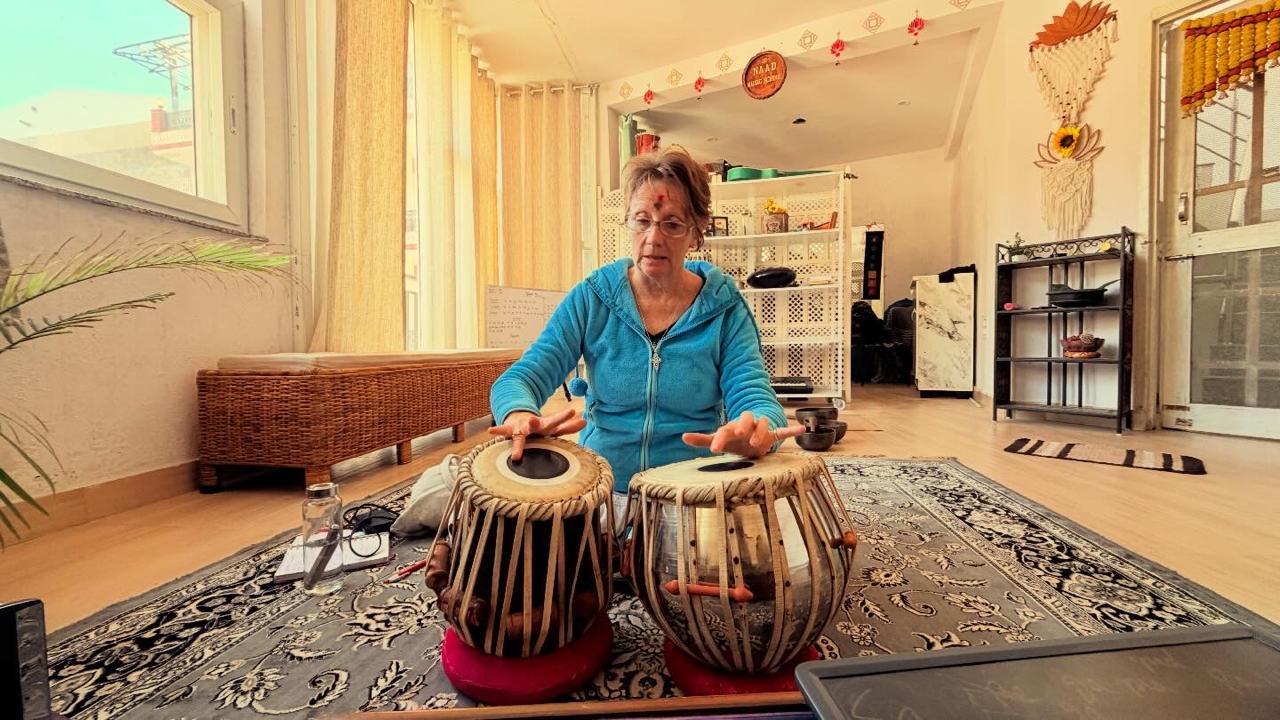
Students practising Indian classical music in Rishikesh
Practice beside the Ganges, Laxman Jhula
4Course lengths
Levels & Timings

From Singing Along to Leading Kirtan.

You do not need any musical background, any Sanskrit, or any religious affiliation to begin. Kirtan is the most welcoming practice we teach, and students of every belief and none study it here comfortably.

B

Beginner

Vocal basics, your first chants with correct pronunciation and meaning, simple kartal rhythm, and the confidence to sing out loud without apologising for it.

I

Intermediate

Larger repertoire, harmonium accompaniment while singing, steady tempo control, and leading call and response for a small group.

A

Advanced

Raga-based bhajans, full session design, energy and pacing across an hour or more, and leading kirtan for a large group with real presence.

Class timings. Six slots run daily and you keep the one that suits your routine: 9:30–10:30 AM, 11:00 AM–12:00 PM, 12:30–1:30 PM, 2:00–3:00 PM, 4:00–5:00 PM, and 5:30–6:30 PM. Evening slots suit kirtan especially well, which is traditionally when it is sung.

Online is available. Live one-to-one lessons run over Zoom, Google Meet or WhatsApp video, scheduled around your local time zone. Note that call and response has a natural lag online, so leading practice is best done in person where possible.

Guru correcting a student's kirtan technique and posture
Patient correction — the heart of the method
6Time slots
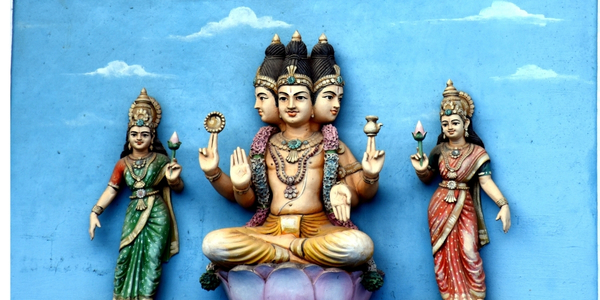
Beginning with Shree Ganesha

Every Course Opens With Sound

॥॥ वक्रतुंड महाकाय
सूर्यकोटि समप्रभ।
निर्विघ्नं कुरु मे देव
सर्वकार्येषु सर्वदा ॥॥
ॐ गं गणपतये नमः

Before the first chant begins, students and guru sing together. It is a short moment, but it settles the room and marks the class as something separate from the day around it — clarity, confidence and the removal of obstacles before learning begins.

Course Guided By

Amresh Kumar

Kirtan and Naad music training at Rishikesh Music Class, Laxman Jhula, Rishikesh. Trained in the traditional Indian classical and devotional lineage, with years of teaching students from across the world.

  • One-to-one guidance throughout the course.
  • Traditional Naad and guru–shishya method.
  • Patient correction, structured practice plans.
  • Long experience teaching international students.
  • Classes conducted in English and Hindi.
Before You Arrive

Please Note

Rishikesh Music Class provides music courses only. Accommodation and hotel facilities are not provided by the school.

Please book your own hotel, room, guest house or ashram stay before arriving. Many comfortable and affordable options sit within walking distance of the school at Laxman Jhula, and we are happy to suggest areas.

Instruments. Harmonium, kartal and manjira are provided for use during your sessions, so nothing is needed for your first class. If you plan to lead kirtan at home, your teacher will guide you on what to buy and on fair local pricing.

Book Your Sessions

Ready to Begin Kirtan Training?

Send the short form across and it opens directly in WhatsApp with your details already written out. We reply personally — usually within a few hours — with availability, the current fee for your chosen course, and a suggested start date.

  • No payment or card details required to enquire.
  • We confirm your time slot before you travel.
  • Trial session available if you would rather try first.
  • Available for both in-person and online students.

Kirtan Course Inquiry

Takes under a minute to fill.

Opens in WhatsApp with your details filled in.
Nothing is stored on this website.